Enterprise Email Infrastructure You Own and Control
When email is tied to revenue, security, or compliance, shared infrastructure becomes a risk.
ITPison provides dedicated sending environments, isolated IP pools, multi-node resilience, and operator-grade observability—built for enterprise-scale delivery.




Enterprises don't fail because they "can't send email." They fail because they can't control email outcomes across complex systems and strict requirements:

White‑label email services for agencies

SaaS platforms offering built‑in email delivery

Regional ESPs expanding volume without rebuilding infrastructure

Enterprises running internal multi‑brand email platforms
Enterprise email needs dedicated infrastructure—because reliability is a business dependency, not a feature.
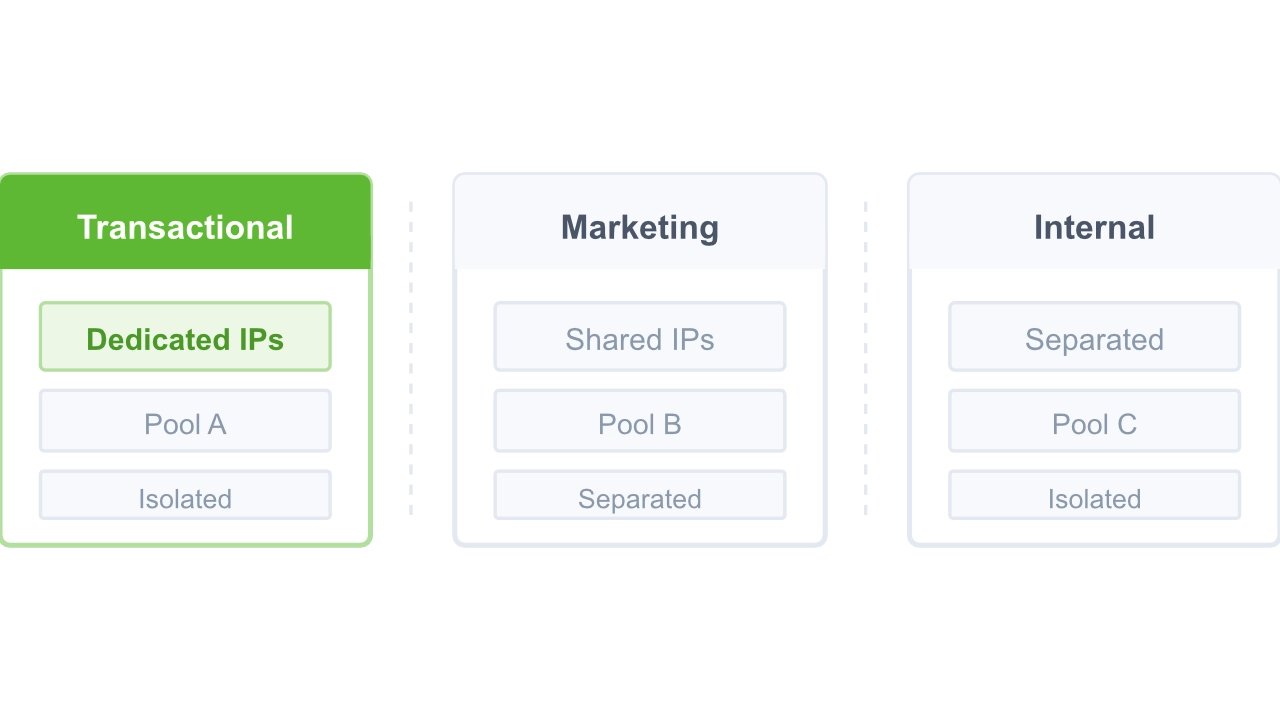
Dedicated Infrastructure (Isolation by Design)
• Dedicated IP pools and segmented sending environments
• Separation by brand, region, business unit, or traffic type
• Reduced shared reputation exposure
Business value: fewer deliverability incidents, safer scale, faster recovery.
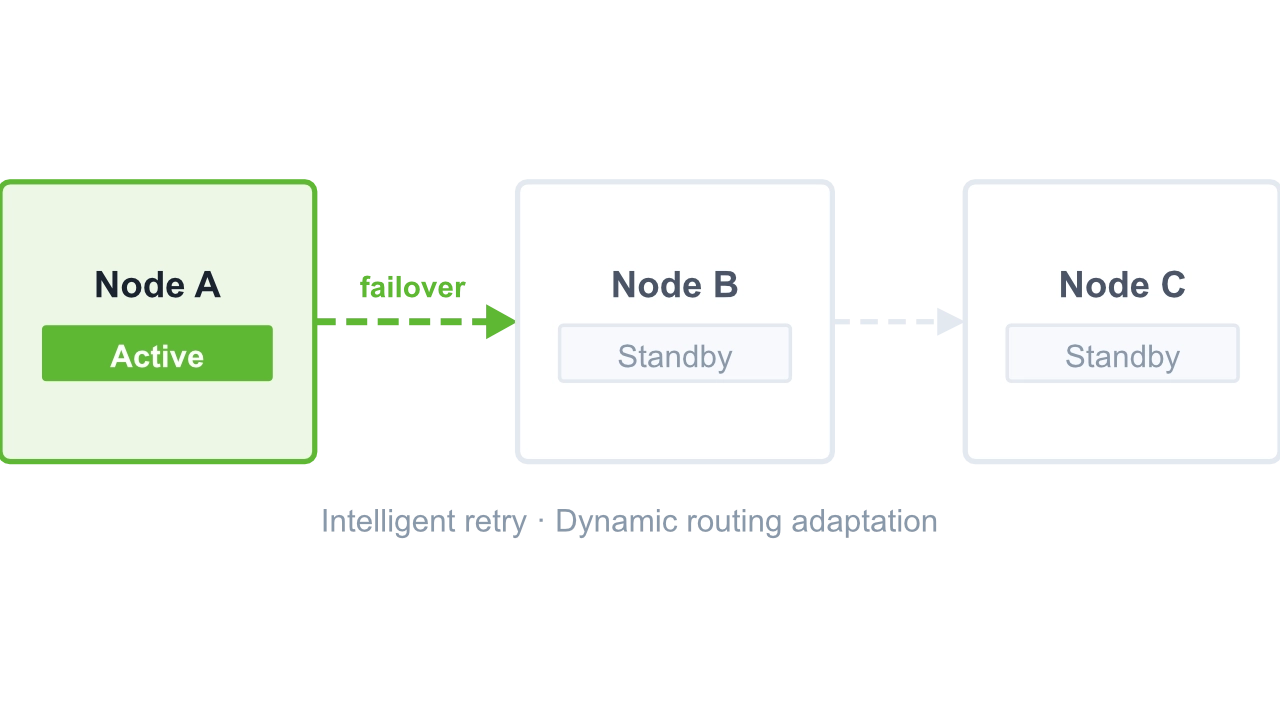
Multi‑Node Architecture + Dynamic Failover Routing
ITPison is designed to keep delivery running even when parts of the system degrade.
• Multi-node sending architecture
• Dynamic failover routing across nodes/IPs
Business value: higher continuity, fewer “all-hands” incidents, stronger SLA confidence.
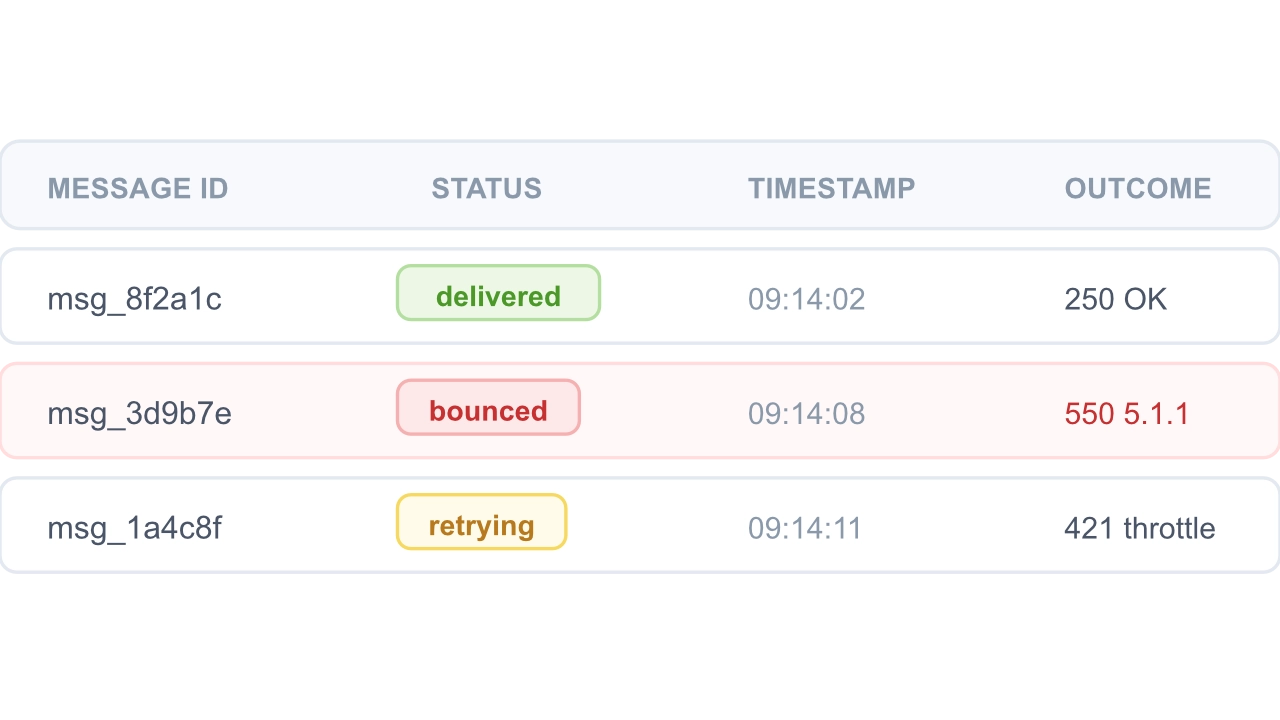
Governance & Auditability Built In
Enterprises require control that goes beyond “deliverability tips.”
• Send auditing (who/what/when) for accountability
• Directory integration (LDAP) patterns for access and governance workflows
• Operator-grade logs and traceability for incident response
Business value: compliance alignment and faster root-cause investigations.

Throughput That Holds Under Enterprise Load
The proprietary March MTA engine is built for sustained high-volume delivery.
Business value: predictable send windows and stable performance during spikes.
Delivery‑Safe Workflow Options (Enterprise Practicalities)
• Attachment-to-link conversion to improve delivery success
• Attachment access tracking for operational clarity (when needed)
This is framed as “delivery reliability patterns,” not a “sales tracking feature.”
Integration Flexibility (Reduce Implementation Risk)
• API for modern systems
• SMTP for broad compatibility
• Drop‑Folder for legacy/no‑code/batch pipelines→ fastest path to production without refactoring
Infrastructure Isolation
• Dedicated IP pools
• Segmented sending environments
• Optional separation by traffic class (transactional vs marketing vs internal)
Resilience & Continuity
• Multi-node architecture
• Dynamic failover routing
• Intelligent retry behavior and routing adaptation
Delivery Visibility & Operations
• Message-level logs
• Delivery outcomes, bounce/retry insights
• Traceability for support, compliance, and incident response

Predictable deliverability through isolation and control

Reduced risk from shared reputation exposure

Clear governance through auditability and directory integration

Operational confidence via logs, traceability, and failover routing

Faster deployment across heterogeneous systems (API/SMTP/Drop‑Folder)
Your Enterprise Email Needs Infrastructure You Control
If email reliability impacts your business operations, compliance posture, or customer trust, shared infrastructure is a liability.